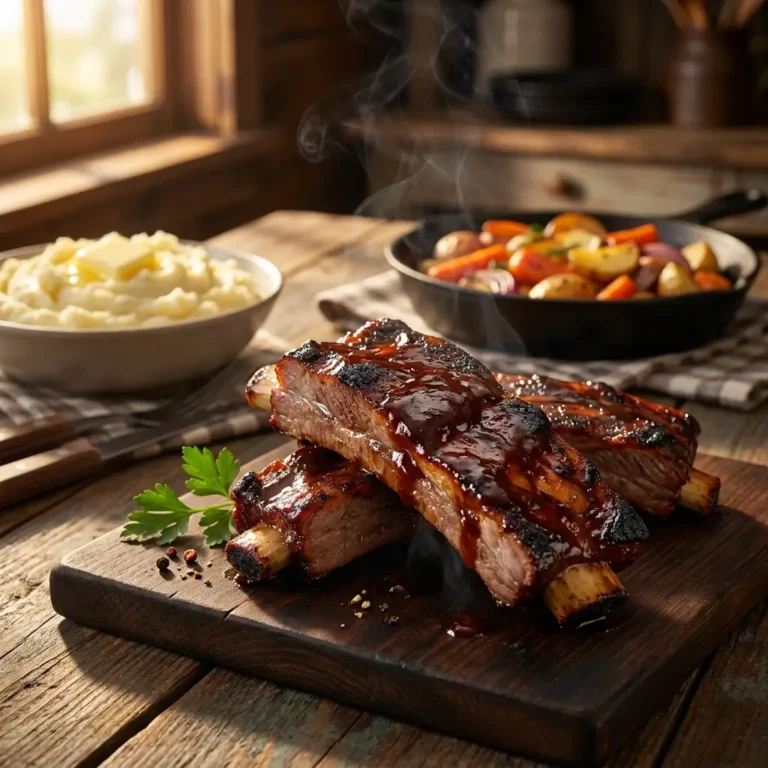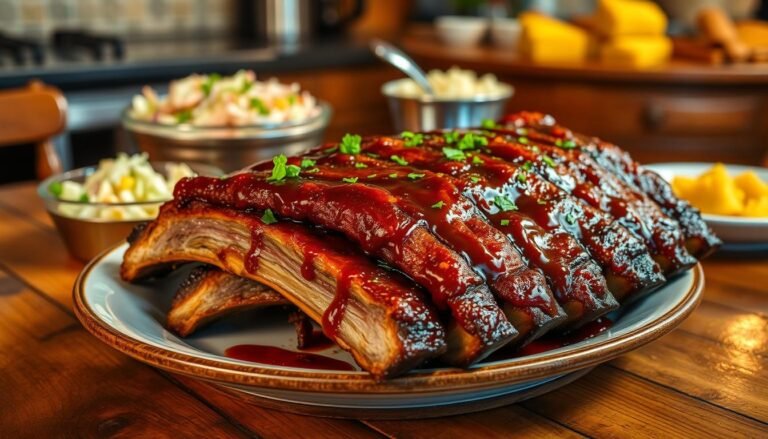
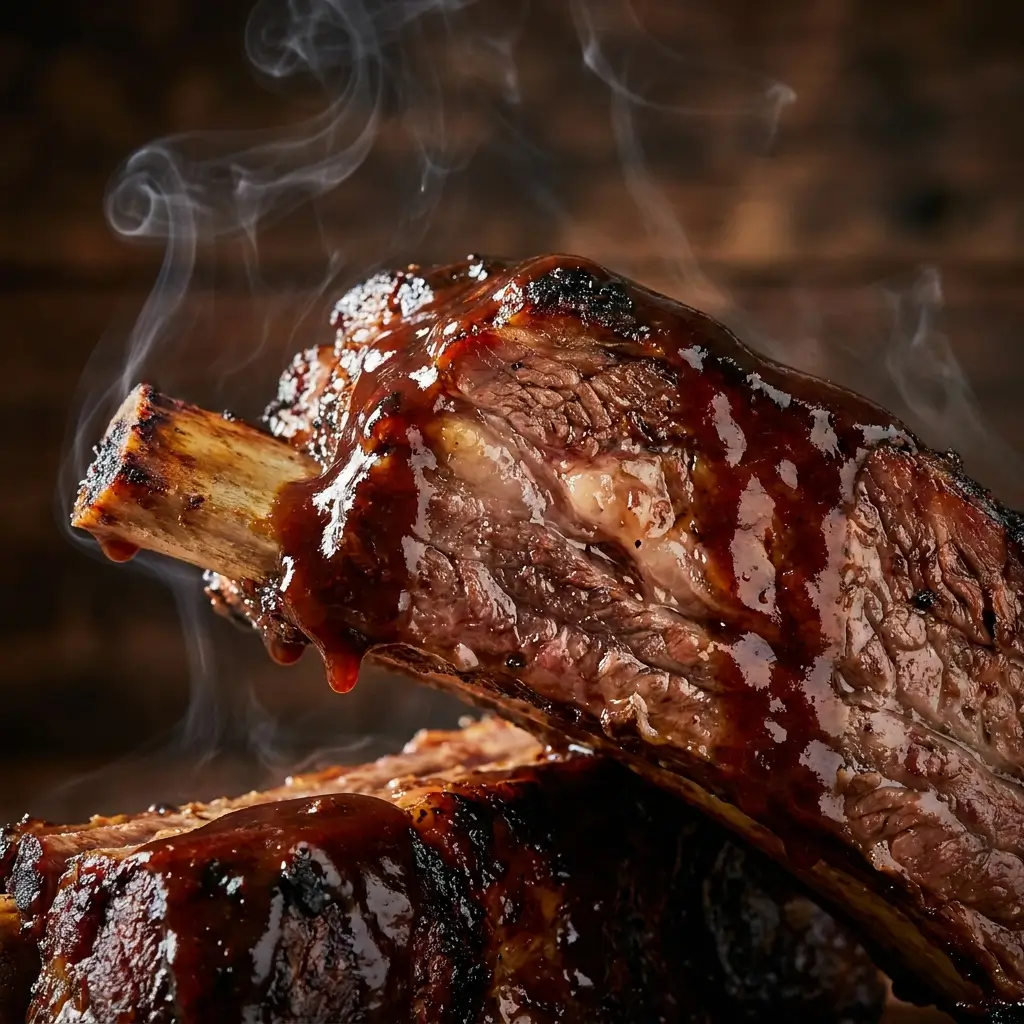
How to Cook Beef Back Ribs (Perfect Every Time Guide)
Growing up in Texas, summer barbecues were more than meals – they were family traditions. When those beef back ribs hit the grill, magic happened. The sizzle, the aroma, and the first tender bite were unforgettable.
If you’ve ever wanted beef back ribs that melt in your mouth, you’re in the right spot. This recipe will change your cooking, making ribs so tender everyone will want your secret.
Beef back ribs are lean but full of potential. With the right method, you’ll get rich flavors that make dinner special. Get ready to make ribs that will be your signature dish.
Key Takeaways
- Discover the secrets to perfectly cooked beef back ribs
- Learn professional techniques for maximum tenderness
- Understand the importance of low and slow cooking method
- Master a foolproof dry rub recipe
- Transform your home cooking with restaurant-quality results
Understanding Beef Back Ribs: What Makes Them Special
Beef back ribs are a special cut that meat lovers enjoy. They come from the upper part of the cattle’s ribcage, where the ribeye roast is carved. These ribs have a unique character that makes them stand out in barbecue and cooking.
Difference Between Back Ribs and Short Ribs
Beef back ribs and short ribs are different in several ways:
- Location on the animal: Back ribs are from the upper ribcage, while short ribs come from the lower portion
- Meat content: Back ribs have less meat, with most being trimmed for ribeye roasts
- Fat distribution: Short ribs often have a more pronounced fat layer
Quality Characteristics of Good Beef Back Ribs
When looking for quality beef ribs, check for these key features:
| Characteristic | Ideal Indicators |
|---|---|
| Color | Deep red with minimal browning |
| Marbling | Fine, white fat streaks throughout |
| Freshness | Smooth surface, minimal moisture |
“The quality of your ribs begins with careful selection and sourcing,” says top BBQ chef Michael Roberts.
Best Places to Source Your Ribs
To find the perfect beef back ribs, know where to look. Here are the best places:
- Local butcher shops with premium meat selections
- Specialty meat markets
- High-end grocery stores with dedicated meat departments
- Online meat retailers specializing in premium cuts
Pro tip: Build a relationship with your local butcher. They can give you insider tips on the best cuts and when to select beef back ribs.
Essential Ingredients and Equipment for Perfect Ribs
Preparing exceptional beef back ribs needs careful ingredient and equipment selection. Your success depends on having the right ingredients and tools.
Before starting your rib-cooking journey, gather these essential items:
- High-quality beef back ribs (3 pounds recommended)
- Digital meat thermometer
- Aluminum foil or butcher paper
- Basting brushes
- Smoker or grill
- Heavy-duty cooking tongs
Your dry rub ingredients are key for flavor. Here’s a professional-grade blend:
| Ingredient | Quantity |
|---|---|
| Kosher salt | 2 tablespoons |
| Smoked paprika | 1 tablespoon |
| Garlic powder | 1 tablespoon |
| Black pepper | 1 teaspoon |
When picking beef back ribs, look for cuts with significant marbling. The fat content affects flavor and tenderness. Professional chefs say ribs with visible fat are the tastiest.
“The right equipment and ingredients transform good ribs into extraordinary culinary experiences.” – BBQ Pitmaster
Pro tip: Invest in quality tools like a reliable meat thermometer. Aim for an internal temperature of 200°F for tender ribs.
The Perfect Dry Rub Blend for Beef Back Ribs
Making a great beef rib dry rub is like a craft that turns simple meat into a feast for the taste buds. Your own rib seasoning can make beef back ribs taste amazing with just a few ingredients.
A top-notch beef rib dry rub mixes different flavors that match the meat’s richness. Each part of the mix is key to a balanced and tasty seasoning.
best amazon picks:
Base Spice Components
The base of a great rib seasoning includes these must-haves:
- 2 tablespoons kosher salt
- 1 tablespoon chili powder
- 1 tablespoon garlic powder
- 1 tablespoon light brown sugar
- 1 tablespoon onion powder
- 1 tablespoon paprika
Optional Flavor Enhancers
Want to make your beef rib dry rub your own? Try adding these extras:
- 2 teaspoons ground cumin
- 2 teaspoons ground mustard
- 1 teaspoon ground black pepper
- ½ teaspoon cayenne pepper for extra heat
Proper Application Techniques
To apply dry rub to beef back ribs, follow these steps:
- Pat ribs dry with paper towels
- Sprinkle seasoning evenly on both sides
- Gently massage the rib seasoning blend into the meat
- Let ribs sit for 30 minutes before cooking
“A great dry rub is about balance – no single ingredient should overpower the others.”
| Dry Rub Metric | Value |
|---|---|
| Preparation Time | 5 minutes |
| Total Yield | 13 tablespoons |
| Usage Recommendation | 1 tablespoon per pound of ribs |
| Storage Duration | Up to 6 months |
Pro tip: Store your homemade beef rib dry rub in an airtight container to keep the flavor and freshness.
Beef Back Rib Recipe: Step-by-Step Preparation
Preparing beef back ribs needs precision and care. Start by picking high-quality 4-pound beef ribs and trimming them right. The first step is to remove the tough membrane from the back of the ribs.
- 4 pounds beef back ribs
- 1/4 cup BBQ dry rub
- 1 cup beef stock
- 1/4 cup pineapple juice
- 3 tablespoons apple cider vinegar
Your technique in preparing the ribs will affect their quality. Carefully pat the ribs dry with paper towels before applying the dry rub. Make sure to coat all sides of the ribs with the spice mixture evenly.
“The secret to amazing ribs is in the preparation and patience.” – BBQ Pitmaster
To make the liquid mixture, combine:
- 1 cup beef stock
- 1/4 cup pineapple juice
- 3 tablespoons apple cider vinegar
- 2 tablespoons Worcestershire sauce
- 1 teaspoon liquid smoke
Place the ribs in a large 6-quart sauté pan. Pour the liquid mixture around the ribs, making sure they’re not fully covered. This keeps the ribs moist and helps them get a rich, caramelized exterior.
Low and Slow: Mastering the Cooking Temperature
Cooking beef ribs is an art that needs patience and precision. The secret to tender, mouth-watering ribs is knowing the right cooking temperature and time. Professional pitmasters say low and slow is the key to turning tough meat into a delicious feast.
When cooking beef back ribs, controlling the temperature is key. A full rack has 7 to 8 bones, so you need to pay close attention to cooking techniques.
Optimal Temperature Settings
The best cooking temperature for beef back ribs is between 225-250°F (107-121°C). This low temperature helps break down connective tissues, making the meat tender.
- Preheat your oven or smoker to 275°F
- Keep the temperature steady during cooking
- Use a reliable meat thermometer
Timing Guidelines for Perfect Tenderness
The cooking time for ribs depends on your method. Smoking takes 4-6 hours, while pressure cooking can cut this to 30-40 minutes.
| Cooking Method | Temperature | Cooking Time |
|---|---|---|
| Smoking | 225-250°F | 4-6 hours |
| Oven Roasting | 275°F | 2.5-3 hours |
| Instant Pot | High Pressure | 30-40 minutes |
Signs of Doneness
Your beef back ribs are done when they hit an internal temperature of 190°F to 203°F (88°C to 95°C). Look for these signs:
- Meat starts to pull away from the bone
- Meat is tender but not falling apart
- A gentle twist shows meat separates easily
“The key to great ribs is patience and precision in temperature control.” – BBQ Pitmaster
After cooking, let your ribs rest for 15-20 minutes. This step lets the juices spread, making each bite juicy and flavorful.
Glazing and Basting Techniques
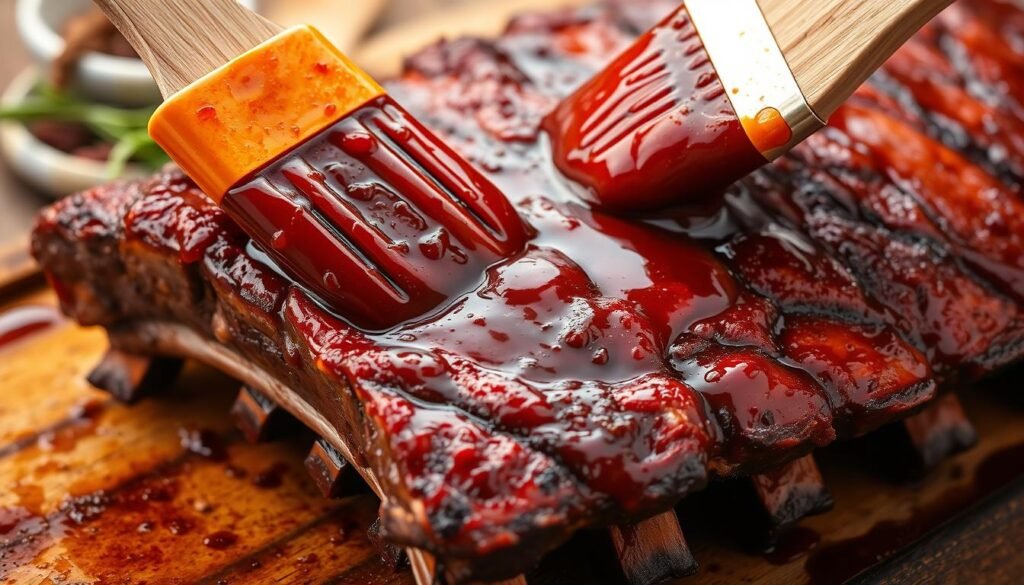
To make your beef back ribs truly special, learn the art of glazing and basting. These methods boost flavor and give you that perfect sticky, caramelized look everyone loves.
Basting ribs is more than just splashing on sauce. It’s a careful process that adds moisture and flavor. When glazing beef ribs, aim for a method that avoids burning and maximizes taste.
Key Basting Strategies
- Apply rib sauce application every 30-45 minutes
- Use a silicone brush for even coverage
- Keep sauce temperature consistent
- Avoid cross-contamination by using separate brushes
Your basting liquid should match the meat’s natural taste. A good marinade usually has:
| Ingredient | Quantity | Purpose |
|---|---|---|
| Honey | 3 tablespoons | Adds sweetness and helps caramelization |
| White Vinegar | 1/4 cup | Provides tangy balance |
| Olive Oil | 1/4 cup | Helps distribute heat and flavor |
“The secret to perfect beef ribs is patience and proper glazing technique.” – Professional Pit Master
When glazing beef ribs, boil your marinade for 3-4 minutes. This step kills bacteria and makes flavors stronger.
Pro tip: Always keep your basting liquid at room temperature. Apply it generously but carefully to avoid burning. Your goal is a rich, sticky exterior that keeps the meat’s juices in.
Serving Suggestions and Side Dishes
To make your beef ribs a memorable meal, choose the right side dishes and serving styles. The right sides can turn your meal into a feast that impresses your guests.
Classic Pairings That Never Disappoint
Traditional sides go great with beef ribs. Here are some classic choices:
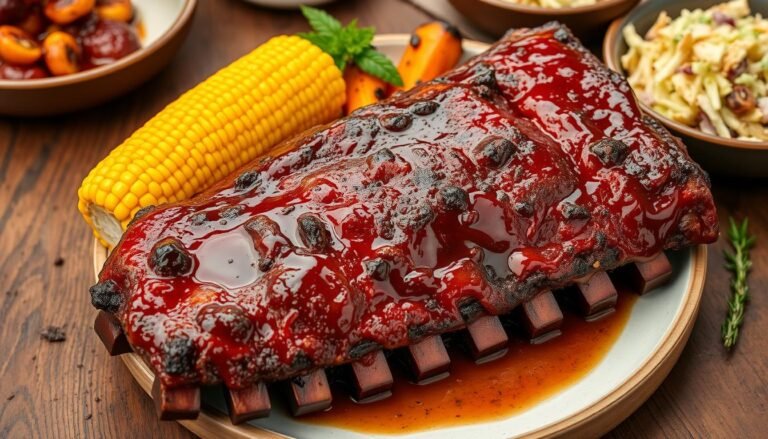
- Southern Baked Mac & Cheese with its creamy, decadent layers
- Coleslaw – a summer BBQ staple with crisp texture
- Baked Beans – an easy one-pot side that enhances meat dishes
- Southern Collard Greens – a cultural must-have with ribs
Modern Accompaniments for Adventurous Palates
For those who love new flavors, try these modern sides:
- Loaded Mediterranean Sweet Potato Fries
- Greek Chickpea Salad for a filling option
- Honey Lime Grilled Corn
- Caprese Asparagus (ready in just 30 minutes)
Masterful Plating Tips
How you present your beef ribs matters. Here are some plating ideas to wow your guests:
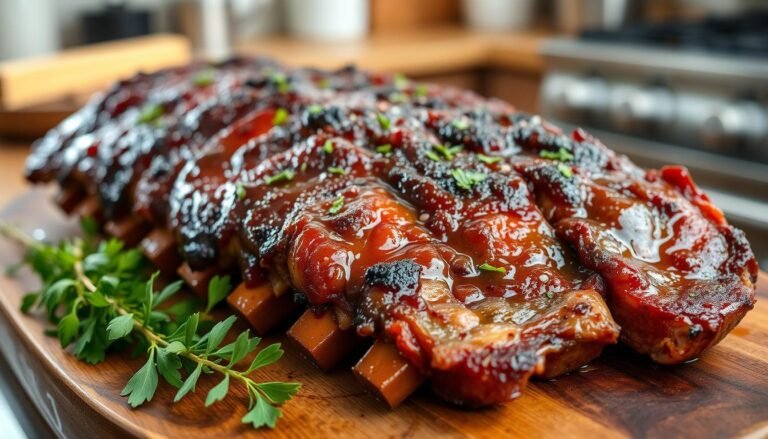
- Arrange ribs slightly overlapping on a wooden cutting board
- Garnish with fresh herbs like parsley or cilantro
- Use contrasting side dish colors to create visual interest
- Serve sauces in small, attractive ramekins on the side
“A great meal is about the whole experience, from flavors to presentation.” – Chef’s Wisdom
Storage and Reheating Tips
Keeping your beef back ribs tasty means storing and reheating them right. Leftover ribs can still be delicious with the right storage and reheating.
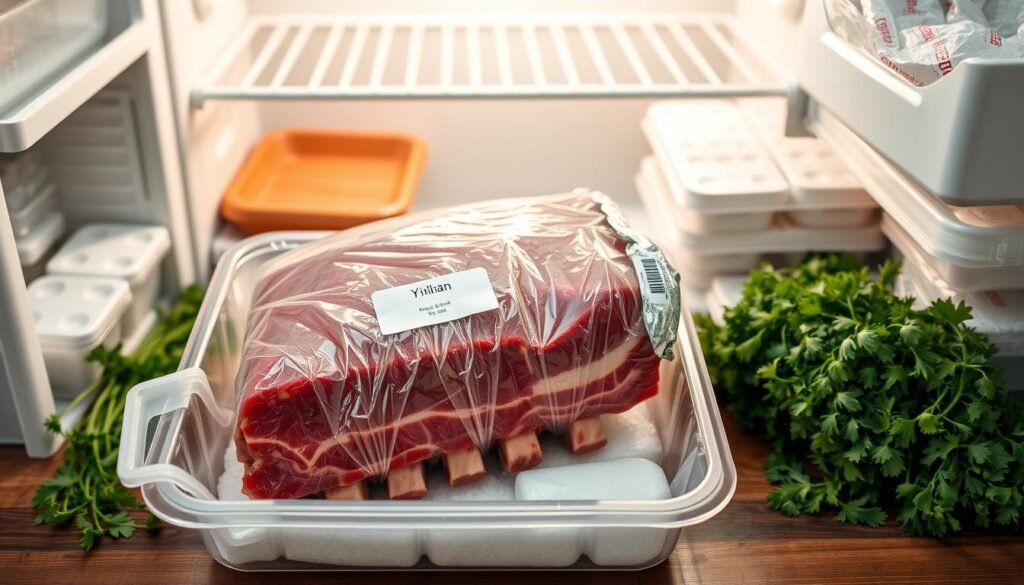
- Store in an airtight container within 2 hours of cooking
- Refrigerate at temperatures below 40°F (4°C)
- Use within 3-4 days for best taste
- Freeze for longer storage up to 2-3 months
Reheating ribs needs care to keep them moist and flavorful. Here are some good ways to do it:
- Oven method:
- Preheat to 325°F
- Cover ribs with foil
- Heat for 15-20 minutes
- Microwave method:
- Use 50% power
- Cover with a damp paper towel
- Heat in short intervals
“The key to great leftover ribs is gentle reheating and preventing moisture loss.”
Leftover rib ideas can make your meal exciting:
- Shred meat for tacos
- Chop and add to salads
- Create savory rib sandwiches
- Use as pizza topping
| Storage Method | Duration | Temperature |
|---|---|---|
| Refrigerator | 3-4 days | Below 40°F |
| Freezer | 2-3 months | 0°F |
Pro tip: Always thaw frozen ribs overnight in the refrigerator for best results.
Conclusion
Mastering beef back ribs is more than just cooking. It’s a skill that makes any meal special. You’ve learned how to cook ribs to perfection, making them tender and full of flavor.
The recipe summary you’ve seen is your guide to making great dishes at home. It shows how to pick the right rack and make a perfect dry rub. Remember, the key is to be flexible and listen to your instincts.
Beef back ribs are a journey, not a one-time task. Try new marinades, adjust cooking times, and find your own style. Whether you smoke, grill, or bake, your skills will make every meal special.
Your adventure with beef back ribs is just starting. Each rack you cook will make you better and more confident. Enjoy the process, relish the results, and share your creations with loved ones.
TOP RECIPE PICKS:
FAQ
What are beef back ribs?
How do beef back ribs differ from short ribs?
What should I look for when buying beef back ribs?
What equipment do I need to cook beef back ribs?
How long does it take to cook beef back ribs?
Can I prepare a dry rub in advance?
How do I know when my beef back ribs are fully cooked?
What are the best side dishes to serve with beef back ribs?
How should I store leftover beef back ribs?
Can I freeze beef back ribs?
Leave a Comment & Rate this Recipe!
If you love this recipe, please consider giving it a star rating when you leave a comment. Star ratings help people discover my recipes online. Your support means a lot to me, I appreciate you.
There are no reviews yet. Be the first one to write one.