Baghrir: Fluffy Moroccan Thousand-Hole Pancakes You’ll Love
If you’ve ever stood at a breakfast stall in Marrakech and watched a cook ladle batter onto a sizzling griddle, you’ve probably noticed something odd happening within seconds: the surface erupts into a constellation of tiny holes, almost like the pancake is breathing. That’s baghrir, and once you’ve tasted one, the standard North American flapjack starts to feel a little flat by comparison — literally and figuratively.
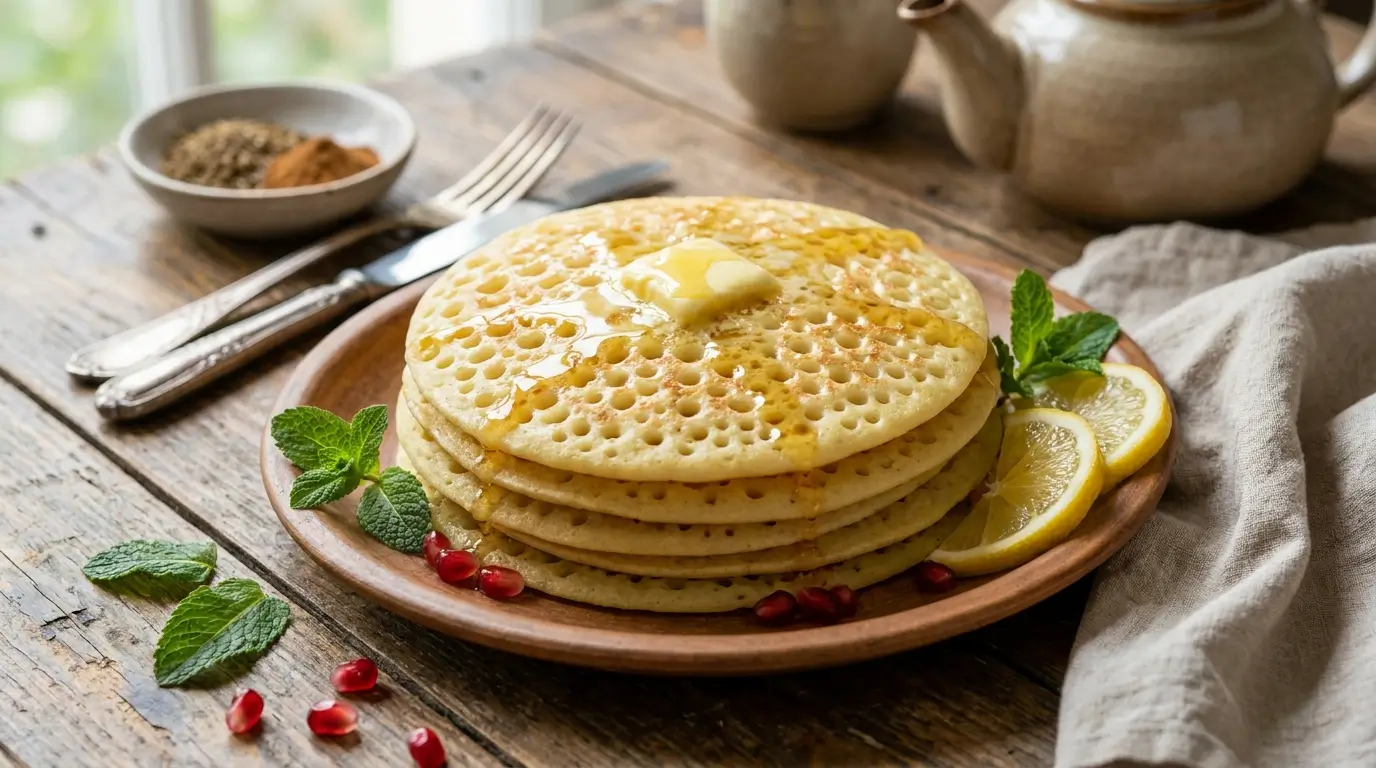
Baghrir doesn’t behave like the pancakes most of us grew up with. Instead of a dense, cake-like bite, you get something closer to a sponge crossed with a crepe: airy, faintly tangy from the yeast, and just sweet enough to make you reach for a second one before the first is finished. The flavor profile sits somewhere between bread and dessert, which is exactly why it works equally well drenched in honey-butter at breakfast or served alongside mint tea in the afternoon.
Why the “Thousand Holes”?
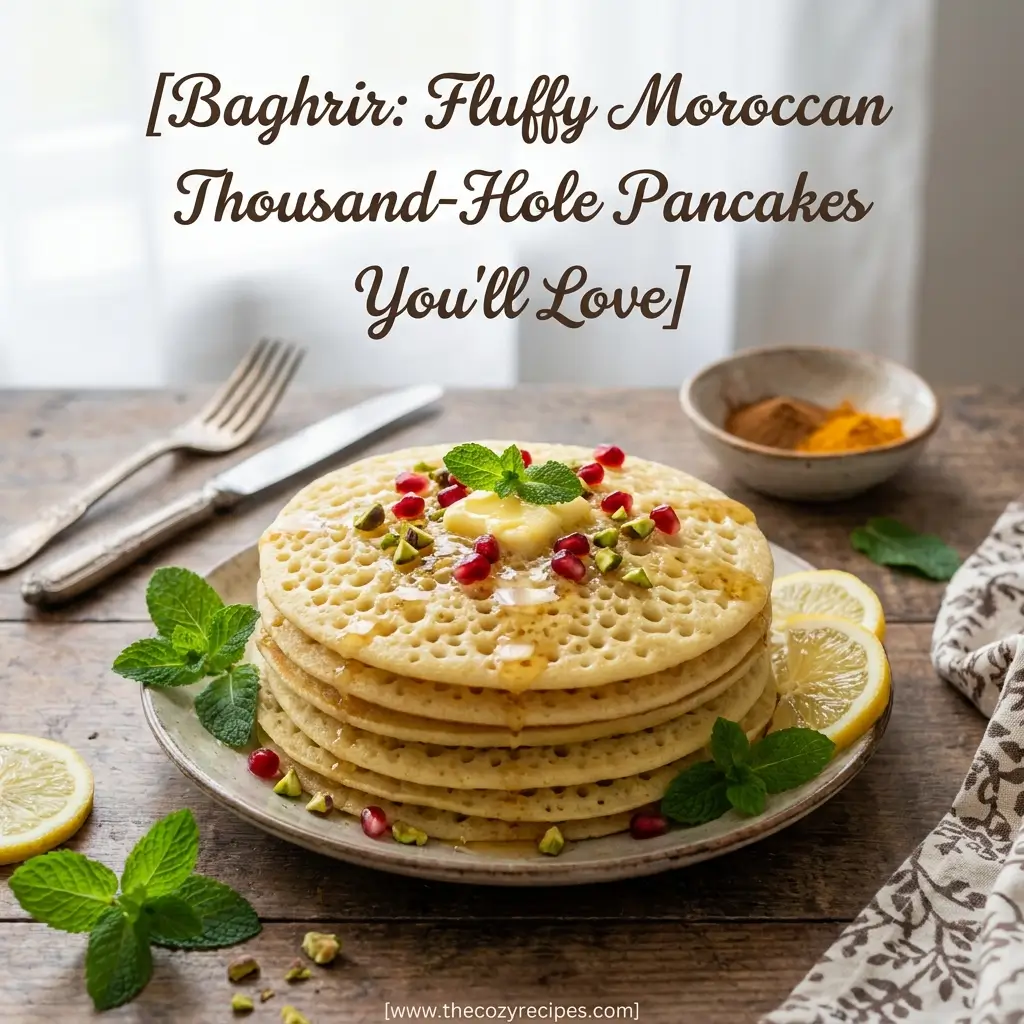
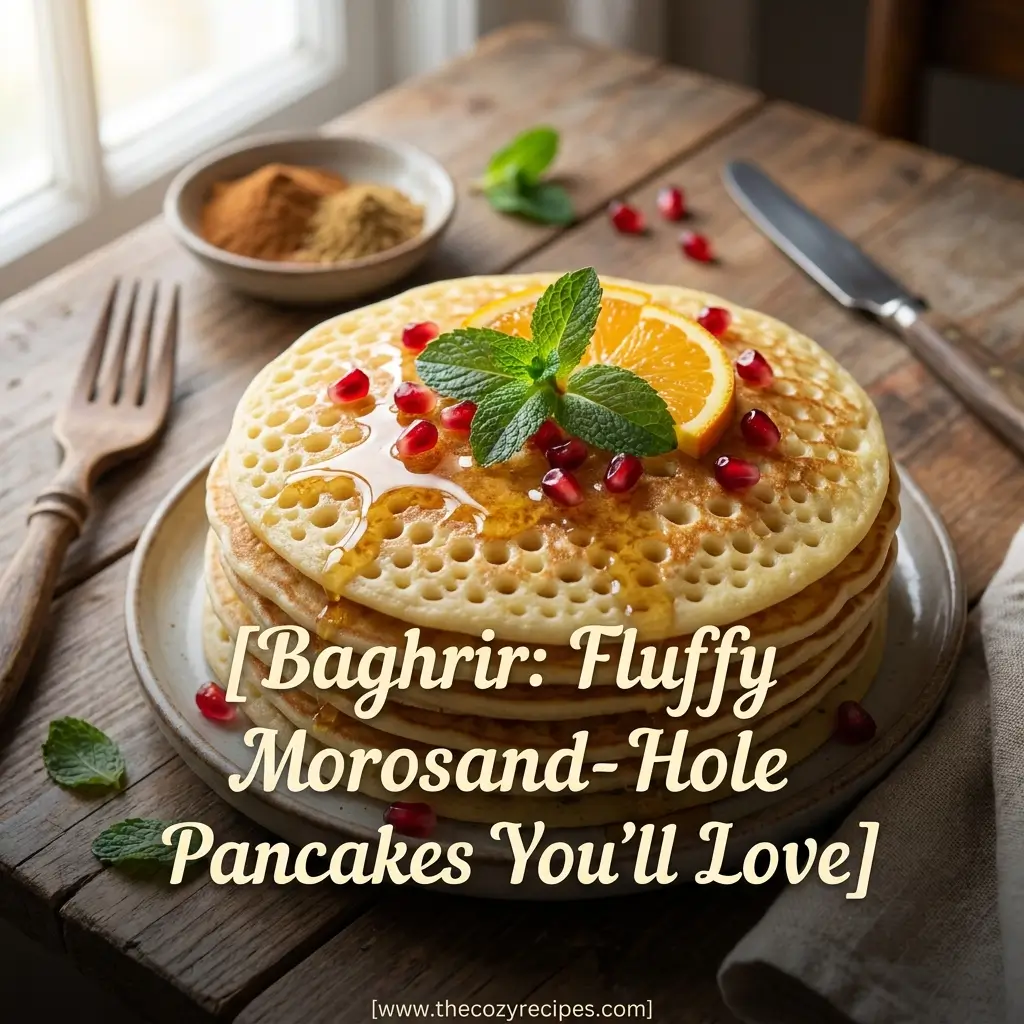
The nickname isn’t poetic exaggeration — it’s a literal description. As the batter hits the hot pan, trapped air bubbles rise to the surface and pop, leaving behind a honeycomb pattern that’s instantly recognizable. That texture isn’t an accident of presentation; it’s the entire point of the dish, and it’s also the trickiest part to get right. Get the science wrong, and you end up with a flat, rubbery disc instead of a lacy, hole-riddled crepe.
The Ingredients That Make It Work
Most baghrir failures trace back to one ingredient: the flour. Fine-grain durum semolina is non-negotiable here. It gives the batter its pale yellow hue, its soft mouthfeel, and — critically — a gluten structure strong enough to hold the shape of each bubble as it forms and pops. Swap in regular all-purpose flour and you’ll lose both the color and the structural integrity that makes the holes possible.
The second pillar is what bakers call a dual-leavening system. Active dry yeast does the slow work, fermenting the batter and contributing that subtle tang you taste in a good baghrir. Baking powder handles the fast work, generating an immediate burst of bubbles the moment batter meets heat. Neither one alone produces the same result; you need both working in tandem.
Sugar, honey, or even a spoonful of molasses round things out, and they’re doing more than just adding sweetness — they’re feeding the yeast, giving it fuel to multiply. Artificial sweeteners won’t cut it here, since yeast needs real sugar to ferment. Finally, a pinch of kosher salt balances the sweetness, while lukewarm water (not hot, not cold) creates the ideal environment for the yeast to activate without stalling or dying off.
Getting the Batter Consistency Right
Here’s where people often hesitate, because the texture goes against everything we know about pancake batter. Baghrir batter should be thin and pourable — closer to heavy cream than to the thick, scoopable batter you’d use for buttermilk pancakes. If yours is thick enough to mound on a spoon, it’s too dense to form holes properly.
A blender, run for a minute or two, isn’t just for convenience — it actively whips extra air into the mixture, which becomes the raw material for those bubbles later. If the batter still looks lumpy or overly thick after blending, whisk in water a tablespoon at a time until it loosens up. There’s no harm in erring toward thin; baghrir batter is far more forgiving of being too runny than too thick.
The Resting Period Isn’t Optional
Once mixed, the batter needs to sit, undisturbed, for roughly 15 to 20 minutes at room temperature. This window gives the yeast time to multiply and start producing the carbon dioxide that will eventually form those signature holes. You’ll know it’s ready when the surface looks lightly bubbly and slightly puffed — a visual cue that’s hard to miss once you’ve seen it.
One important note: don’t make the batter the night before and refrigerate it for morning. Yeast loses potency over time, and a batter that’s rested too long — or rested in the cold — will produce noticeably fewer holes. Baghrir is very much a same-day affair.
Cooking: The One-Side Method
Unlike almost every other pancake on earth, baghrir is never flipped. You pour the batter onto a hot, ungreased non-stick skillet or griddle and let it cook entirely on one side, until the surface turns matte and dry and the holes have fully formed. Medium heat — roughly a 6 or 7 on most stovetops — is the sweet spot; too hot and the bottom scorches before the top sets, too cool and the edges curl without ever drying properly. A good non-stick surface means you typically don’t need oil at all.
Keeping a Batch Warm — and Topping It Right
Since you’re cooking one at a time, the early pancakes can cool while you finish the batter. The fix is simple: preheat your oven to around 200°F, line a baking sheet with parchment, and stack finished baghrir there as you go. They’ll stay warm and pliable until you’re ready to serve the whole batch together.
For toppings, tradition points to a warm mixture of melted butter whisked with honey, poured generously over the stack so it seeps into every hole. If you want to go off-script, Nutella, spiced fruit chutney, or a good jam all work beautifully against baghrir’s mild sweetness.
Storing, Freezing, and Reheating
Leftover baghrir keeps at room temperature for a few days in an airtight container. For longer storage, flash-freeze the pancakes individually on a parchment-lined sheet before transferring them to a freezer bag — this keeps them from fusing into one solid block. To bring them back to life, a few minutes in the oven, a quick pass through the toaster, or a short microwave burst will all restore that soft, spongy texture.
best amazon picks:
Troubleshooting Common Issues
If pancakes are sticking despite a non-stick pan, your heat is likely too low — bump it up slightly and give the pan time to come fully to temperature before pouring. For a whole-wheat version, swap in a 50/50 blend of semolina and whole wheat flour, adding 2 to 4 extra tablespoons of water to compensate for the flour’s thirstier texture. And if you’re working around gluten sensitivities or don’t have active dry yeast on hand, instant yeast is a reasonable substitute, while oat or almond flour blends can work with some experimentation — though don’t expect identical results to the semolina original.
Once you’ve nailed the holes, you’ll understand why this humble batter has earned a permanent spot on Moroccan breakfast tables.
Leave a Comment & Rate this Recipe!
If you love this recipe, please consider giving it a star rating when you leave a comment. Star ratings help people discover my recipes online. Your support means a lot to me, I appreciate you.
There are no reviews yet. Be the first one to write one.