Msemen: Everything You Need to Know About Morocco’s Iconic Flatbread
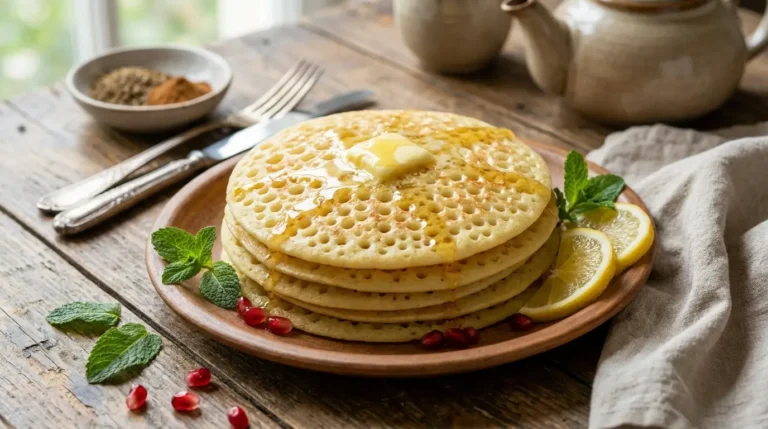
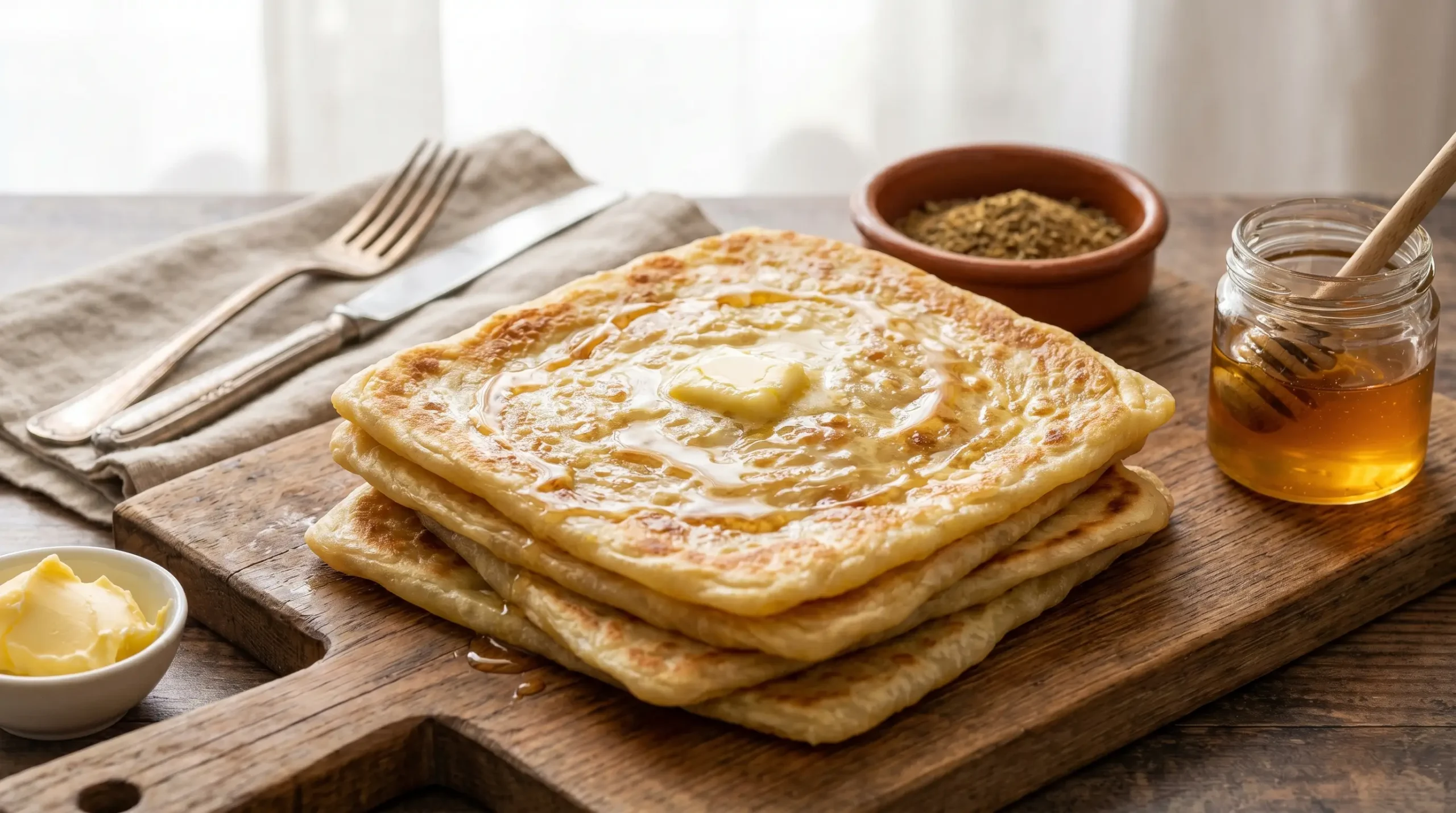
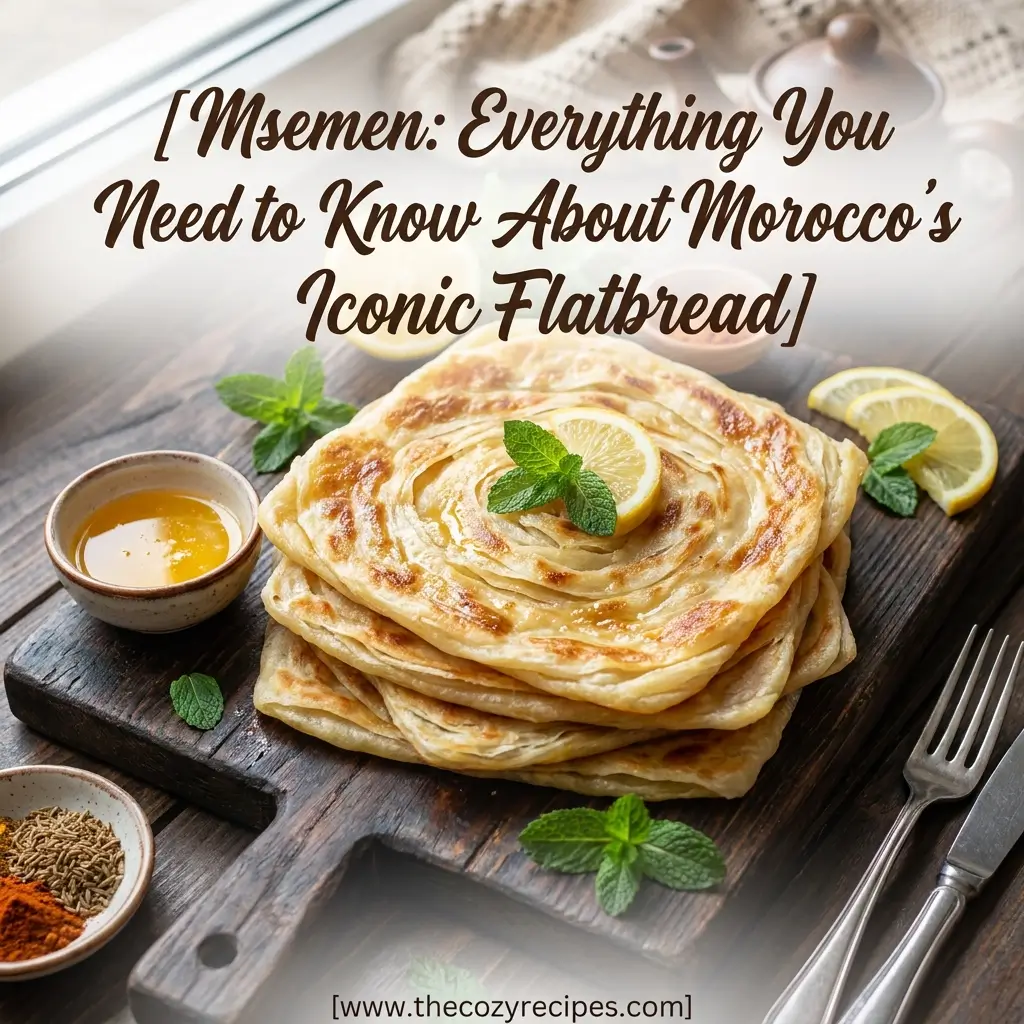
If you’ve never torn into a warm, butter-laced square of Msemen (مسمن), you’re missing out on one of Morocco’s most beloved comfort foods. This traditional flour and semolina flatbread is famous for two things: its distinctive square shape and the dozens of paper-thin layers hiding just beneath its golden crust. Pull one apart while it’s still warm and you’ll see exactly why Moroccan home cooks have been making this bread for generations.
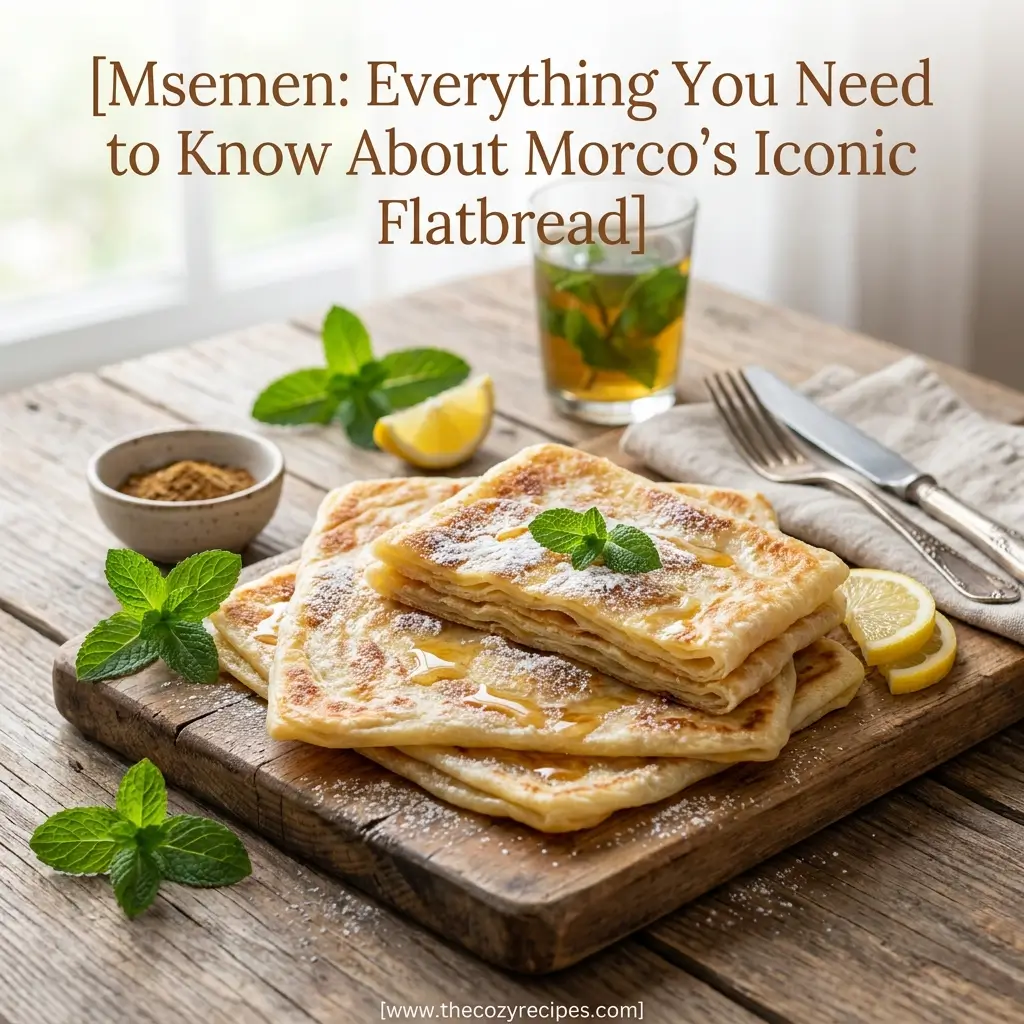
Msemen earns its place at both the breakfast table and the afternoon tea tray. It’s typically served alongside mint tea or coffee, then dressed up with honey butter, a smear of jam, or a slice of cheese, depending on what the moment calls for. There’s no wrong way to eat it, which is part of the charm.
My own introduction to this recipe came through a Secret Recipe Club assignment, where I was given Karen’s Kitchen Stories to explore. Buried among her recipes was this Msemen, and one test batch later, I understood why it had earned a permanent spot in so many kitchens.
The Science of the Square: Ingredients and Technique
What makes Msemen work is deceptively simple. The dough comes together from active dry yeast, lukewarm water, all-purpose flour, fine semolina, a touch of sugar, and salt. Nothing exotic, nothing hard to find — the magic is entirely in the handling.
Here’s where most first-timers trip up: you don’t use flour to keep this dough from sticking to your hands or the counter. You use vegetable oil. Flour would get worked into the dough and toughen it, but a light coating of oil lets you stretch the dough paper-thin without it fighting you or tearing prematurely. Keep a small bowl of oil nearby and re-oil your hands and surface generously as you go.
The real technique, though, is in building the layers. Each portion of dough gets stretched out until it’s nearly transparent, then dotted with softened butter and a sprinkle of dry semolina before being folded back on itself. That fold-and-stretch combination is what creates the flaky, almost laminated interior that separates a good Msemen from a forgettable one.
Pro Tips for Success
A few small habits separate a frustrating first attempt from a satisfying one.
Resting time matters more than most recipes let on. After you divide the dough into individual balls, give it fifteen minutes to relax before you try to stretch it. Skip this and the dough will resist you, springing back instead of stretching thin. There’s a second resting period after folding, and it’s just as important — it lets the gluten settle again so the final shaping goes smoothly.
When stretching, aim for a sheet thin enough that you can see the countertop through it. That sounds extreme, but it’s the standard that produces the best layers once the bread hits the pan. Don’t worry if you tear a hole here or there; this dough is forgiving. Just pull a bit of nearby dough over the gap and pinch it closed. Once the bread is folded and fried, those tiny patches disappear completely into the layers.
Beyond the Basic Bread: Serving and Storage
No conversation about Msemen is complete without mentioning the honey butter. Melt honey and butter together over low heat until they form a loose, pourable glaze, then drizzle it generously over the bread the moment it comes off the skillet. The warmth of the bread helps the butter soak into every layer instead of sitting on top.
While the version covered here is the classic plain Msemen, it’s worth knowing that stuffed variations exist too, filled with anything from spiced ground meat to vegetables, turning the same dough into a heartier meal. Home cooks have also found creative pairings beyond breakfast — torn pieces of Msemen work wonderfully for scooping up a warm bowl of Harira, Morocco’s traditional tomato and lentil soup, especially during Ramadan.
If you end up with extras, Msemen freezes well once fully cooked. Layer the cooled squares with parchment paper, seal them in a freezer bag, and they’ll keep for weeks. To reheat, pop them in a 350°F (180°C) oven for a few minutes, or warm them directly in a dry skillet, which helps recapture some of that just-cooked texture.
The Step-by-Step Recipe Card
Budget about an hour and fifteen minutes total for this recipe, split between roughly thirty minutes of hands-on prep and thirty minutes of resting time built into the process.
Start by proofing your yeast in lukewarm water until it turns foamy on top, a sign it’s active and ready to work. Combine it with the flour, semolina, sugar, and salt, then knead until the dough turns smooth, elastic, and slightly tacky.
Divide the rested dough into equal balls, then let those rest again before the real work begins. One at a time, oil your hands and the counter, then stretch each ball into a thin, near-transparent sheet. Dab softened butter across the surface and dust with a little dry semolina, then fold the sheet into thirds, and fold again to form a compact square.
Heat a dry or lightly oiled skillet over medium-low heat and cook each square until it turns deep golden brown on both sides, pressing gently with a spatula to encourage even puffing and crisping. Keep your honey butter warm and liquid on the stove so it’s ready to pour the moment the bread comes off the heat.
best amazon picks:
Community and Inspiration
There’s something genuinely fun about making Msemen with kids in the kitchen — the stretching and folding feels almost like play, and little hands are often surprisingly good at the gentle pulling the dough requires.
If this recipe leaves you curious about more bread traditions from around the world, it’s worth exploring further. Sweet, pillowy Hawaiian rolls and the savory, onion-studded buns of Lithuania are just two examples of the kind of global bread culture that communities like Secret Recipe Club love to surface — proof that nearly every culture has its own version of comfort wrapped in dough.
Leave a Comment & Rate this Recipe!
If you love this recipe, please consider giving it a star rating when you leave a comment. Star ratings help people discover my recipes online. Your support means a lot to me, I appreciate you.
There are no reviews yet. Be the first one to write one.